

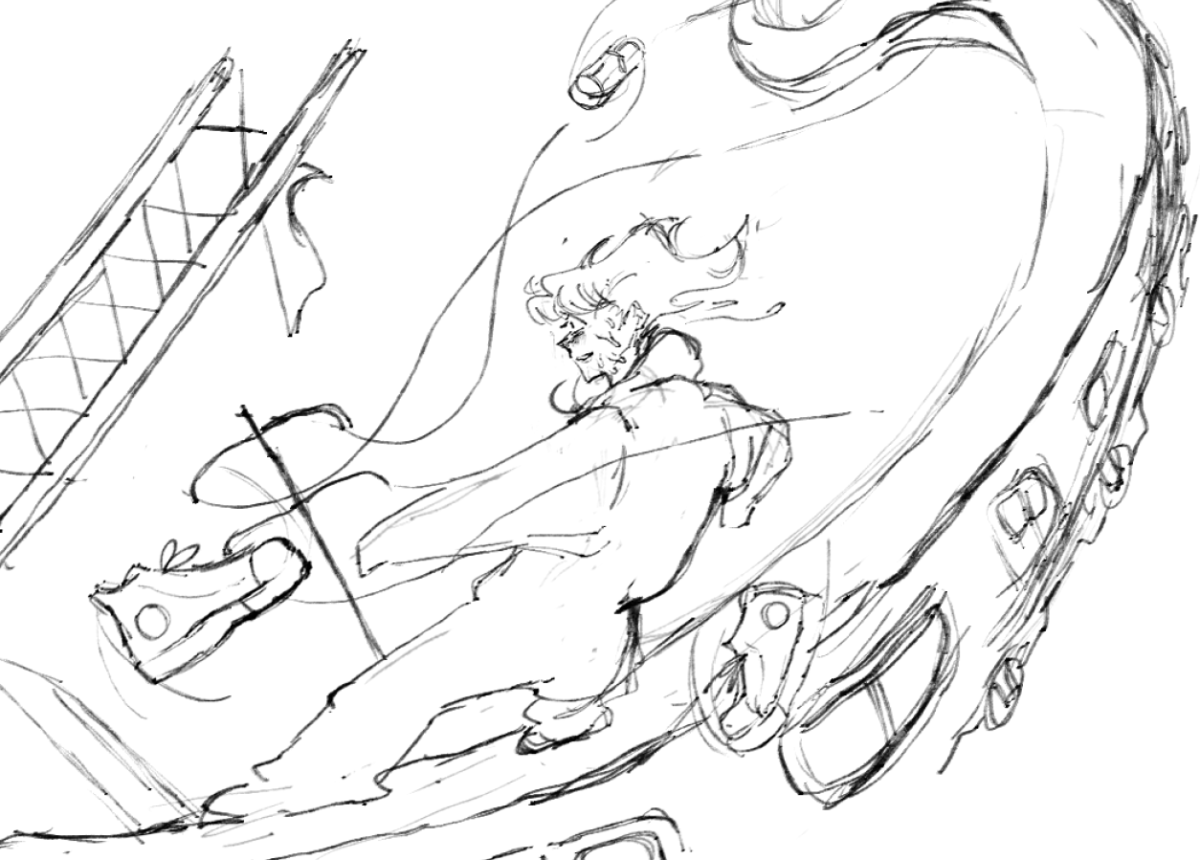
























In the early morning of Oct. 4, two girls, ages 12 and 13, were found dead on top of the Brooklyn J train due to a subway surfing game they were playing. Subway surfing, which is not something new, is now a challenge – taking place mainly in New York City – which has taken six lives thus far in 2025. It involves individuals riding atop or hanging on the side of trains and then posting that content to social media applications – mostly TikTok.
Students and staff had negative perceptions of subway surfing.
“I don’t like subway surfing,” said Mariana Munoz. “I think it’s really bad and people lose their lives at such a young age for a very unnecessary reason.”
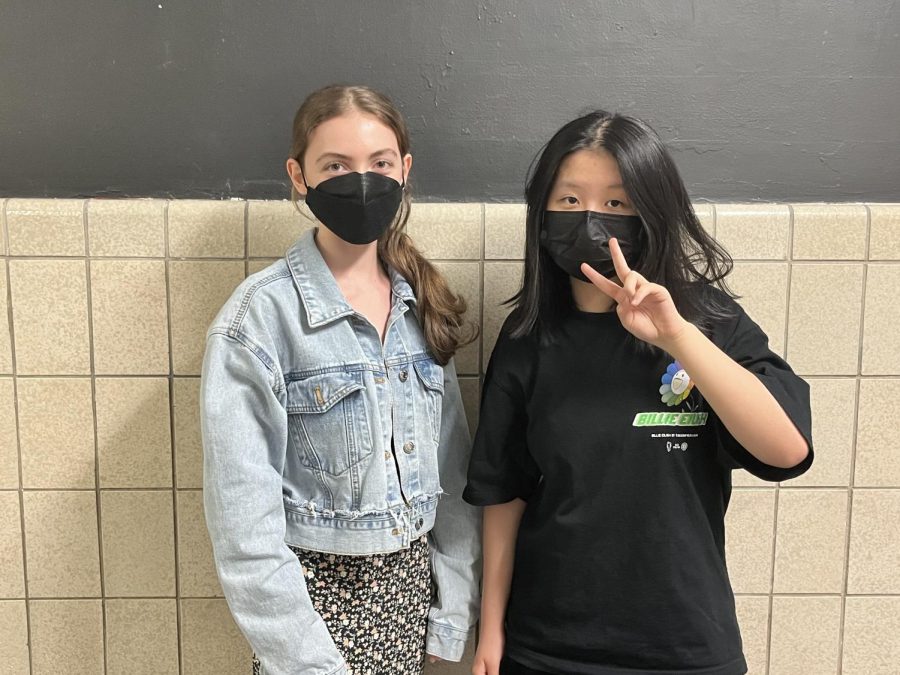
However, despite the general opinion about subway surfing, it increased by 46% this year. Some argue that it has become popularized and exploded in today’s age because of the rise of social media. But freshman Jiayi Huang thinks that with social media it can “go both ways.” Sophomore Nada Farfar agreed.
“People can be on social media telling you to subway surf because that’s one way to cope with things. They may influence other people to do it,” said Farfar. “Other people can be telling you why you should not be doing it. Some people may hear it and be like… I should listen to them and not risk my life,” she said.
Sophomore Taylor Paysour, who knows one teenager who tried subway surfing, thinks that most people will not do it just because they see it on social media.
“If you go into a comment section, you aren’t going to see many people who are like, “Wow, this is awesome!” said Paysour. “You’re going to see people being like, “You’re an idiot for doing this!” and “You’re going to get yourself killed.”
Students had different ideas about why some kids try subway surfing.
“Maybe they have problems at home and, you know, they’re trying to deal with things,” said Farfar. “You know how some people do drugs to cope with it, they might think that subway surfing is a way to cope with it.”
Senior John Lim, who has ridden high speed trains in China and doesn’t think it would happen there, guesses that people do it here “because everyone thinks it’s like a game. They jump from one subway car to the next one,” he said.
Paysour thinks it is mostly about peer pressure and “thrill-seeking.”
“Trying to chase that high that you’ve experienced once for maybe doing it the first time or doing other dangerous things makes you seek out more and more,” said Paysour. “So maybe it could just be… like trespassing and then maybe it’s breaking into buildings or maybe it’s escalating to subway surfing.”
One strategy that New York City is using to address subway surfing is a public service announcement (P.S.A.) called “Ride Inside, Stay Alive.” It was launched to inform youth to stay inside of the train and not risk their lives. Some claim that it won’t work.
“Sometimes I think it makes them do it because they think they’re being rebellious or they think they’re invincible and they think it does not apply to them,” said math teacher Sylvia Omega.
Paysour doesn’t think that most people take the P.S.A. seriously.
“A lot of the times when people are already doing it, they know the danger of these things and they know that they’re bad, but they’re like, these P.S.A.s are stupid because I’m going to still do it anyways,” said Paysour.
Another strategy to stop subway surfing is to take legal action against technology companies that allow the content to be posted. One mother, Norma Nazario, filed a lawsuit against Meta and Tiktok after her son, Zachery Nazario, died from subway surfing. She claimed that he was motivated by the videos he saw on his feed, glorifying subway surfing.
But students and staff agreed that it would be hard to blame technology companies.
“I don’t think it’s the company’s fault,” said Huang. “I think it’s more of the children’s fault for wanting to do it.”
Humanities teacher Katie Finn also isn’t sure that taking legal action is a good idea.
“I think it gets into a little bit of a gray area,” said Finn. “If your child is getting like a workaround, but you put all of the things in place that you thought were protecting them, then I guess… okay, but on the other end…my fear is that it would be used in a way… to silence the positive things that social media does,” she said.
Students and staff had their own ideas about how to get people to stop subway surfing. Huang thinks getting “a celebrity everyone likes” to talk about it in a P.S.A. might help. Finn had one in mind.
“If there’s like a celebrity, maybe if like KPop Demon Hunters came out with a song about not doing it,” said Finn.
The MTA is currently trying out a barrier on the 7 line. Most students think that there should be physical changes like barriers as well as other things.
“Maybe they could add things to make the top of the train more uncomfortable,” said Paysour. “Make it so that it isn’t as easy to have a grip on the top of the train. Or make the tops of the trains a bit higher.”
But some question whether this will be enough.
“Sometimes lived experience is the only way that students or young people like, come around to things and so it’s hard to be like, what’s going to actually stop somebody from doing something,” said Finn.
Paysour is also skeptical about a solution
“People don’t understand the danger until they’re actually in it,” she said.



Najida • Jan 16, 2026 at 12:04 PM
Man these kids really be doing anything nowadays. I really don’t understand the point of subway surfing its literally just risking your life. Stay INSIDE the train guys