











Stepping into a Taipei Metro station for the first time, one thing was immediately clear: this was not the New York City subway. During a visit to Taipei, Taiwan and Guangzhou, China during the spring of 2025, the contrast between transit systems was impossible to ignore. Stations in both Taipei and Guangzhou featured platform screen barriers that separated passengers from the tracks, only opening when a train pulled in. So no one is in danger of falling onto the tracks. Music, a different slection on each line, chimes through the stations as trains approach, with a red light signaling arrival. And the stations are clean.
For many who ride the New York City subways regularly, the conditions feel like a daily gamble. New York’s subway platforms offer no barrier between passengers and incoming trains; a stark contrast to the platform screen doors found in most stations in Taipei, Guangzhou and dozens of other cities worldwide.
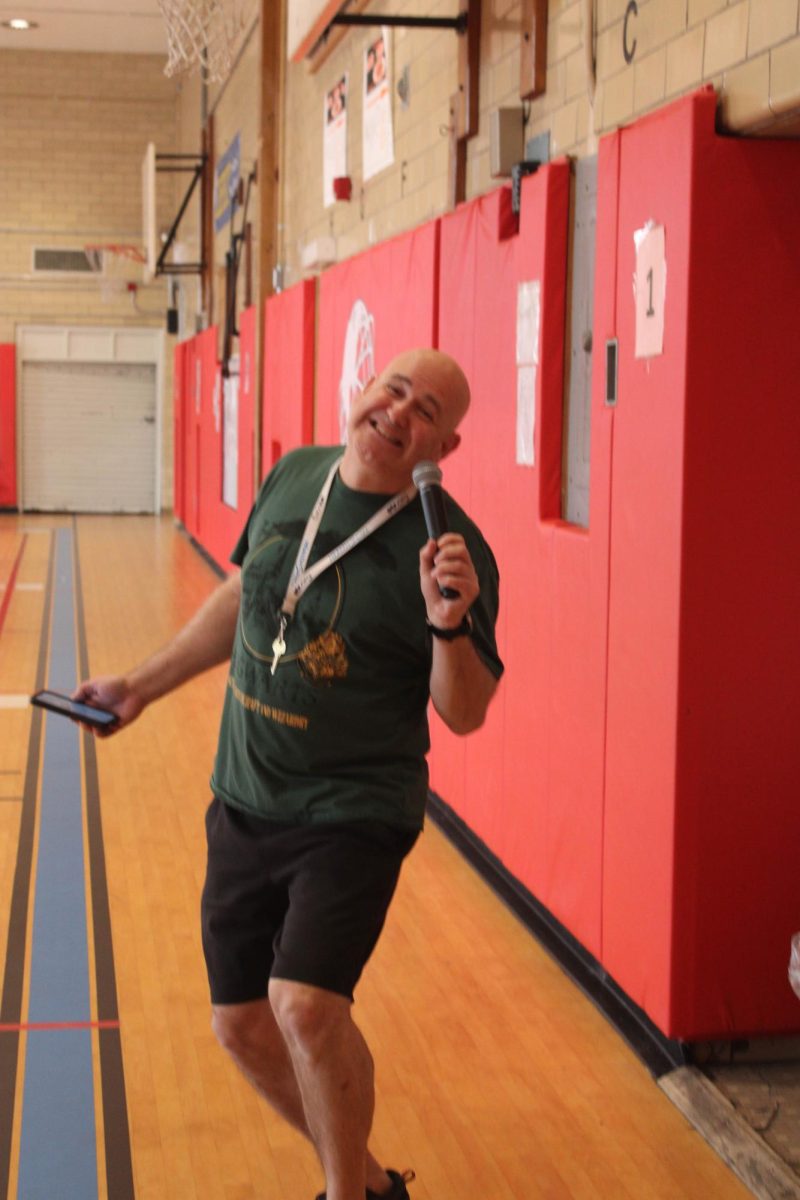
“They’re very dirty and they can get very dangerous with certain people,” said staff member Emmanuel Khuu, who rides the subway frequently.
Most people interviewed said they avoid the subway when they can and the reasons go beyond safety. The smell, the grime and the unpredictability of the experience have worn them down.
“They’re pretty dirty sometimes. They don’t smell nice,” said Brandon Clores, a senior who takes the subway roughly once a month, mostly relying on the bus instead. “But it’s there, you know. Whatever.”
Even daily commuters have grown numb to the conditions.
Senior Jonis Hoxha takes the train almost everyday and described the cars as “terrible,” saying “it’s a lot of homeless people.” Jacob Rosaro, also a daily commuter, kept his assessment minimal: the trains “do a pretty good job” of arriving, he said. Beyond that, he doesn’t think about them too much.
Where people do speak up is on the question of platform barriers. The idea of a door system that only opens when a train arrives, like in Taipei, resonated with nearly everyone.
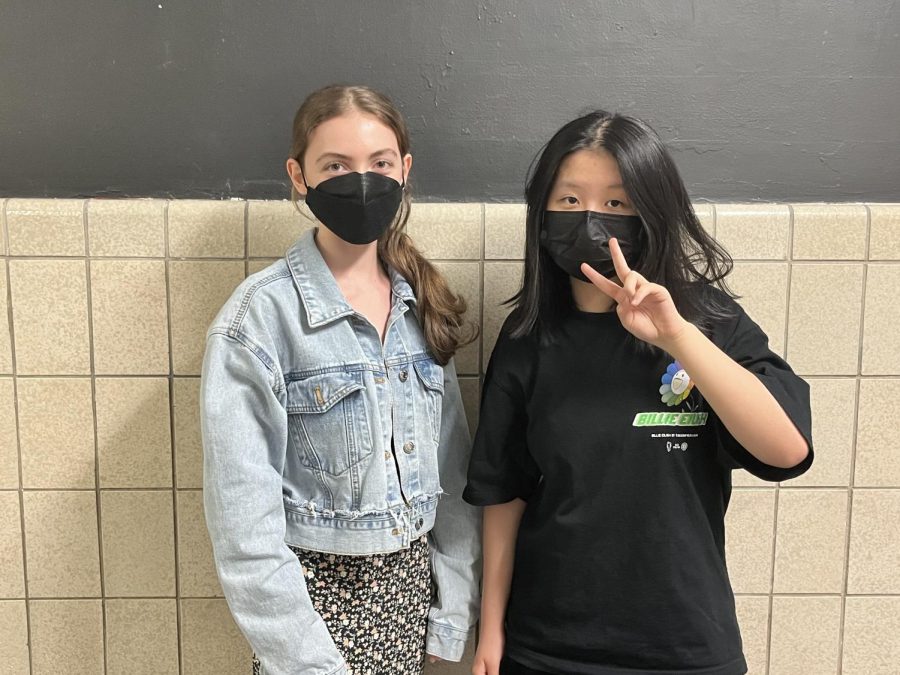
“There should be some kind of barrier protecting people from falling into the subway tracks, and it will open when the train arrives,” said senior Adriel Espinosa.
Middle school student Aysha Mukhsinova said she had seen this concept through videos of Japan’s transit system.
“There are guards which only open when the subway doors open,” she said. “And it prevents suicide and a lot of other things.”
But cleaner platforms and smarter barriers do not make a transit system immune to danger.
According to the BBC, on Dec. 19, 2025, a 27-year-old man entered Taipei Main Station, threw smoke grenades, and began stabbing people at random, killing three before falling to his death while being pursued by the police. When the attack began, not a single metro police officer was on duty at the station.
The December attacks exposed a tension at the heart of transit safety: physical infrastructure and police presence are two different problems, and fixing one does not fix the other. Back in New York, commuters are confronting a version of that same tension.
Some people pointed to the human element, the same vulnerability Taipei’s December attacks laid bare, as the more urgent problem.
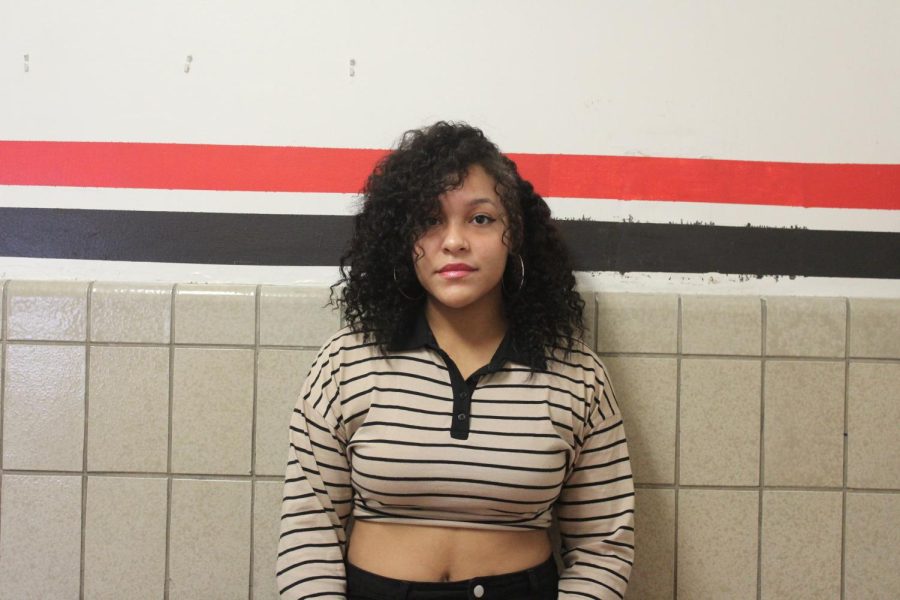
School aide Susie Ampuero avoids the subway because she doesn’t feel safe and called for “more law enforcement, more cops.” Freshman Daniel Shaulov, an infrequent commuter, agreed, suggesting that keeping authorities present in stations would make a big difference.
The MTA has explored platform barriers for years, with cost and the age of New York’s subway infrastructure cited as the primary obstacles. Taipei’s experience, meanwhile, shows that even a system with modern barriers and a well-regarded transit network can be caught off guard when its human response systems have gaps.
The lesson, perhaps, is that no single fix is enough. A yellow line painted on the platform, like in New York stations, is clearly inadequate. But a barrier without officers to back it up has its own blind spots, too.
For now, New Yorkers are left somewhere in between — waiting on a platform, watching the tracks, and hoping the train arrives before anything else.